The Lebanon Chapter of the Project Management Institute
Follow the Chapter
Leadership PMI Global

How NASA Used Project Management to Deliver Artemis II

Program Manager Shawn Quinn shares leadership and risk management lessons behind NASA's crewed moon mission.

  • Date July 17, 2026
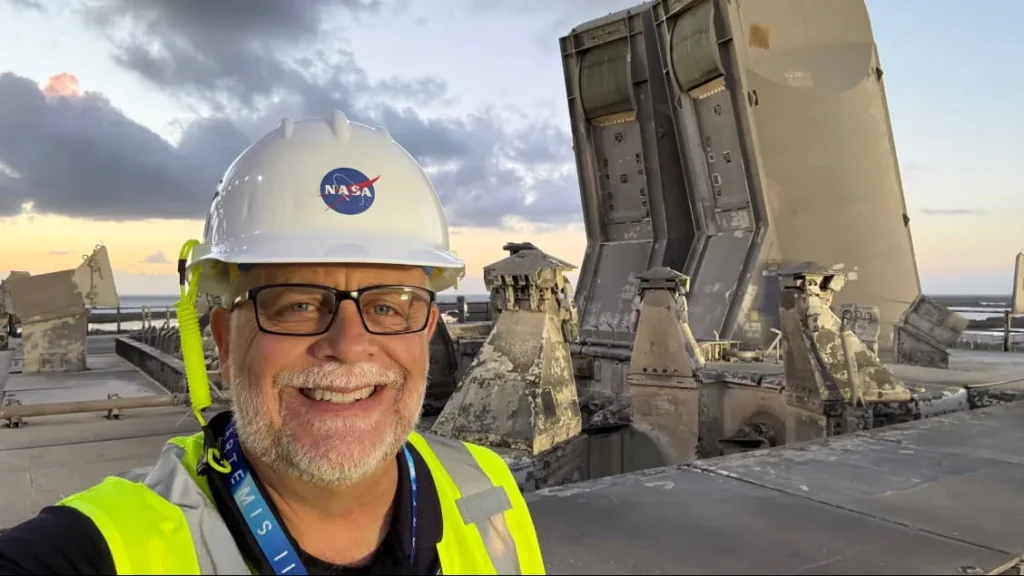
Shawn Quinn, in a NASA hard hat and safety vest, takes a selfie on a launch pad at dawn
  • Leadership
  • PMI Global

“The program managers have to set the expectation for timely communication, and the only way you get timely communication is when you have a safe environment for people to speak up.”

Mr. Shawn Quinn, Program Manager at NASA Exploration Ground Systems

In an article published by PMI Global, NASA Exploration Ground Systems Program Manager Shawn Quinn shared the project management and leadership principles behind Artemis II, NASA’s first crewed mission under the Artemis program. The mission sent four astronauts on a journey around the moon to test the Orion spacecraft and Space Launch System rocket, supported by more than 3,000 people across various roles.

Quinn, whose 40-year career at NASA includes supporting the Space Shuttle Program, oversaw teams responsible for receiving, assembling, integrating, testing, launching, and recovering the mission hardware. He noted that project management at moon-mission scale requires aligning technical performance, schedule, budget, and risk management across multiple programs.

Addressing technical challenges before launch, such as damage to the mobile launcher after Artemis I and a helium quick disconnect blockage, required intense technical problem-solving and collaboration across NASA, contractors, and United Launch Alliance. Quinn emphasized that creating an environment of psychological safety allows team members to communicate issues early and accurately, which is critical for project success and mission safety.
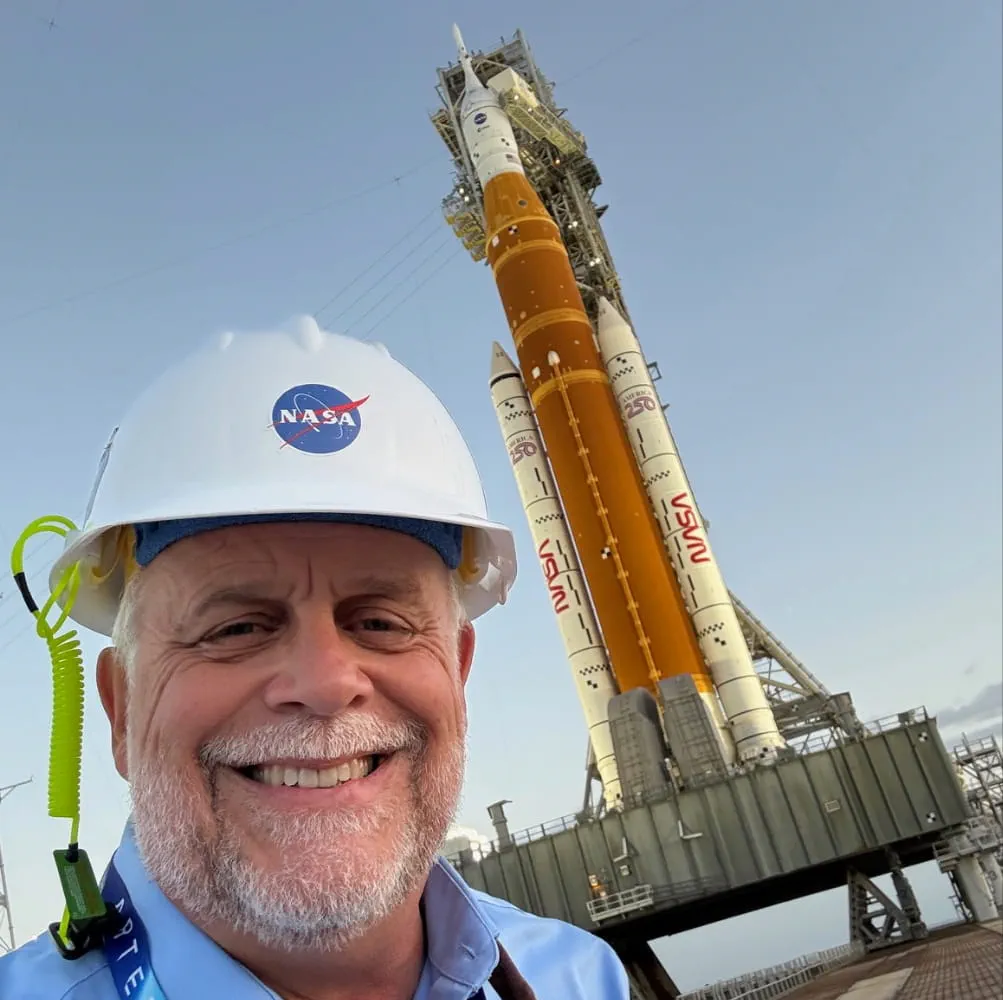
Shawn Quinn in a NASA hard hat in front of the Space Launch System rocket on its launch tower
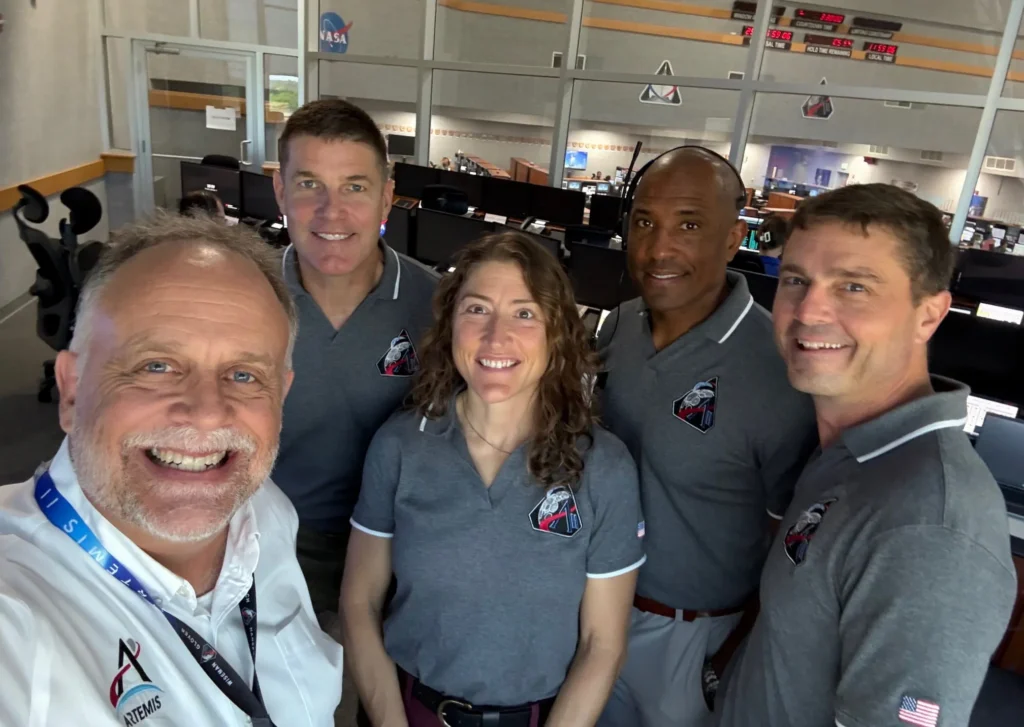
Shawn Quinn takes a selfie with four astronauts in a NASA control room
Recap

Key takeaways

  • Psychological safety and open communication enable teams to solve complex project challenges safely and quickly.
  • Proactive risk management and technical discipline keep multi-program schedules aligned under intense pressure.
  • Transparent communication with stakeholders builds trust and turns external groups into partners during crises.

Key themes

  • Psychological safety
  • Risk management in aerospace
  • Stakeholder trust
  • Project leadership under pressure
For PM professionals

Why it matters

Managing complex, multi-stakeholder initiatives requires more than technical control and schedule tracking. Fostering psychological safety and transparent risk communication enables project leaders to navigate unexpected technical failures and keep teams aligned under tight constraints.

For project professionals in Lebanon leading cross-functional or high-stakes initiatives, these principles highlight the practical value of building open, trust-based team cultures to solve critical problems efficiently.

About the author

Meet the author

ShowHide author (1)

More PMI Global news

All PMI Global news →